
The £2 bus fare cap is a welcome step – now let's maximise its impact!
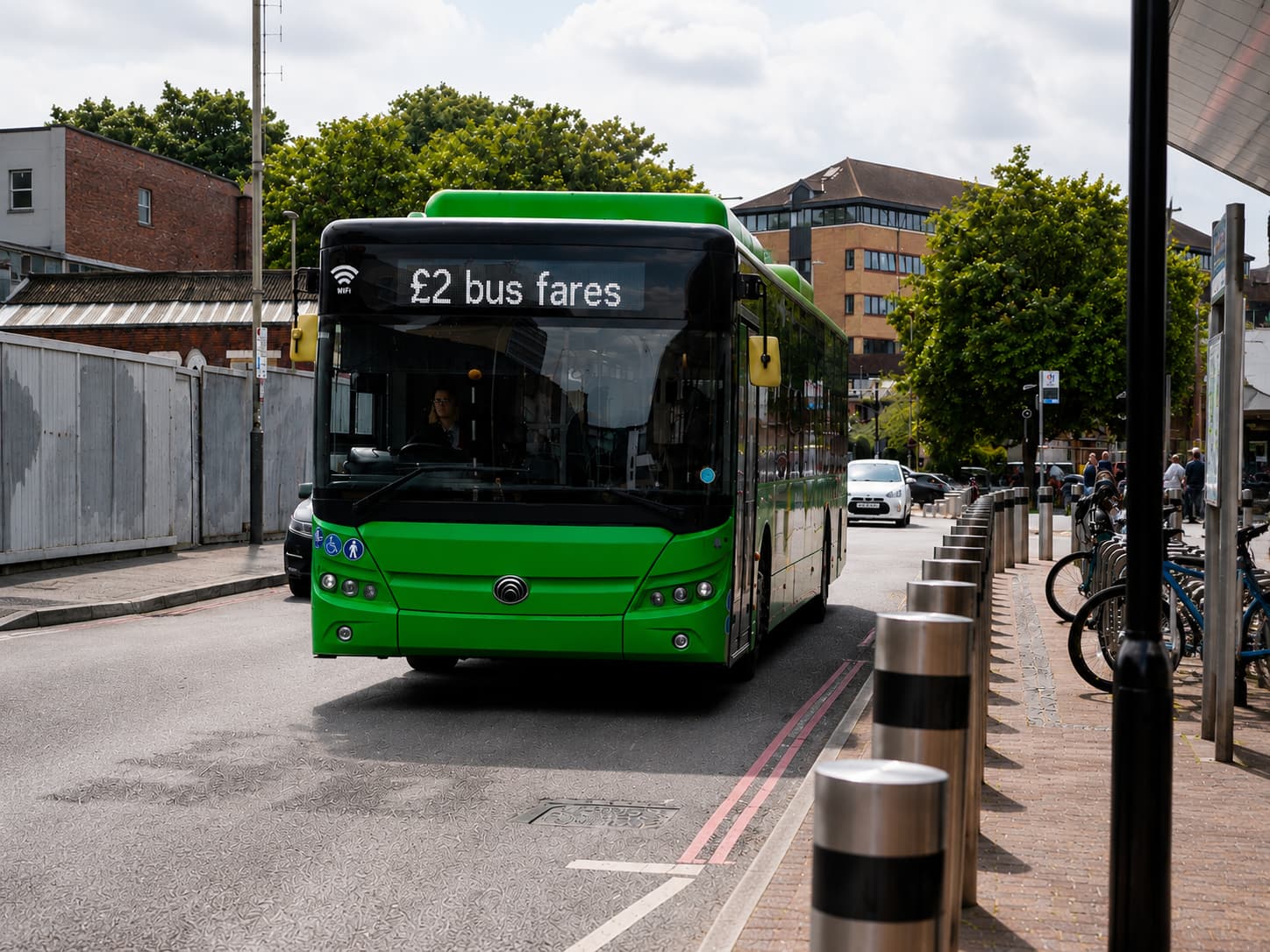
The Prime Minister's announcement of a £2 bus fare cap from January 2027 is welcome news for passengers. At a time when many households continue to face financial pressures, making bus travel more affordable will help people access work, education, healthcare and essential services.
Lower fares can encourage more people to try the bus, but if we want those journeys to continue long after the initial incentive, affordability needs to be part of a wider approach. Cost is an important factor, but it is not the only reason people choose whether to travel by bus. It is just one of many factors.
Achieving that requires more than pricing policy alone. It also requires accessible and reliable services, targeted communication, stronger local partnerships and sustained behaviour change activity that helps people make the bus part of their everyday lives. Here are my thoughts on how we maximise the impact of the £2 fare cap.
Turning trial into habit
For many people, the decision not to travel by bus isn't driven by cost alone. A reduced fare may encourage someone to try the bus for the first time, but whether they make a second, third and fourth journey depends on the overall experience. Convenience, reliability and confidence in the network all play an important role in turning a test run into a long-term habit.
This is where local authorities, operators and their partners have an important opportunity. The fare cap should be viewed not as the end goal, but as part of a wider programme of bus service enhancements, designed to help grow bus use. It needs to be accompanied by a package of measures that complement and enhance the whole experience of travelling by bus.
The organisations with the greatest influence aren't always transport organisations
One of the biggest opportunities to maximise the value of the £2 fare cap lies beyond the transport sector itself.
Every day, hospitals, universities, business parks, retail destinations, schools and major employers generate thousands of journeys. Yet these organisations are often underutilised as partners in encouraging and promoting sustainable travel.
When employers actively promote public transport to staff, when hospitals help patients understand their travel options, or when new housing developments introduce sustainable travel information from day one, the impact extends far beyond what traditional transport marketing can achieve alone.
Our work supporting West Northamptonshire Council's Enhanced Partnership demonstrates the value of this collaborative approach. By bringing together transport operators with major trip generators, the partnership has created new opportunities to promote bus travel and shape services through shared insight. The programme has since been highlighted in the Department for Transport's Enhanced Partnerships Manual as an example of good practice, reinforcing the value of engaging organisations beyond the transport sector.
This kind of collaboration helps ensure that investment in bus services is supported by the organisations best placed to influence everyday travel choices, extending the value of public investment well beyond the transport sector alone.
Creating these partnerships takes time, collaboration and a shared understanding of local travel needs, but they are often the difference between short-term promotional campaigns and sustained changes in travel behaviour.
Communication is just as important as policy
Even the most generous fare offer will have limited impact if people don't know it exists, don't understand how it works or don't believe the bus is a realistic option for them. The £2 fare cap is a big sales opportunity. For many bus customers from 1st January, their travel cost is being reduced by 33% for at least one year! How many other transport providers will be able to make this claim in 2027? It’s something to be shouted from the rooftops.
Clear, locally relevant communication will be essential. It will also need to be sustained. Communication shouldn't stop once the fare cap launches. Continued engagement is needed to reinforce positive experiences, respond to feedback and encourage repeat journeys.
A significant opportunity
The £2 fare cap will make bus travel more affordable for millions of people, and that is a positive step.
The opportunity now is to maximise the value of that investment. By combining affordable fares with accessible services, effective communication, strong local partnerships and sustained behaviour change activity, we can help more people discover the benefits of bus travel—not just for one journey, but as part of their everyday lives.
If we get this right, the return on this investment won't simply be cheaper bus fares. It will also be stronger communities, better access to opportunities, healthier places and a more sustainable transport network for the future.
